EXAM > Practice , PHY 201 Exam 2
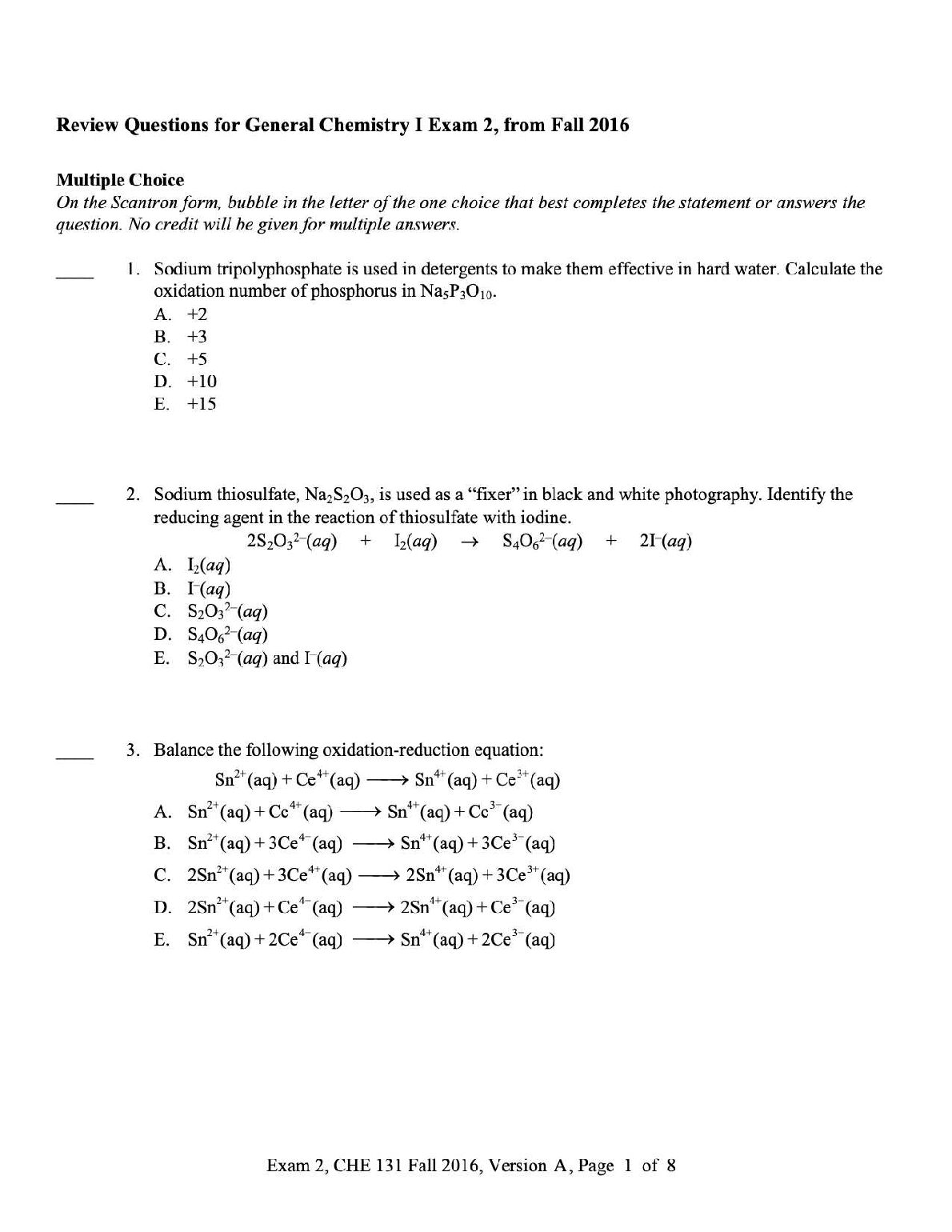
George Mason University PHYS 104 Northern Virginia Community College PHY 201, Spring 2018 Name: Ch. 4, 5 & 6 Answer the following multiple-choice questions (0.5 point each) 1) You push on box G that is next to box H, causing both boxes to slide along the floor, as shown in the figure. The reaction force to your push is A) the push of box G on box H. B) the push of box H on bo ...[Show More]
Access Full Document
Instant download
Preview 1 out of 8 pages

Reviews( 0 )
No Recommended Resources Yet.
| Category: | EXAM |
| Number of pages: | 8 |
| Language: | English |
| Last updated: | 11 months ago |
| Downloads: | 0 |
| Views: | 11 |
Need help with "Practice , PHY 201 Exam 2"?
Get help from verified experts or start a custom project.