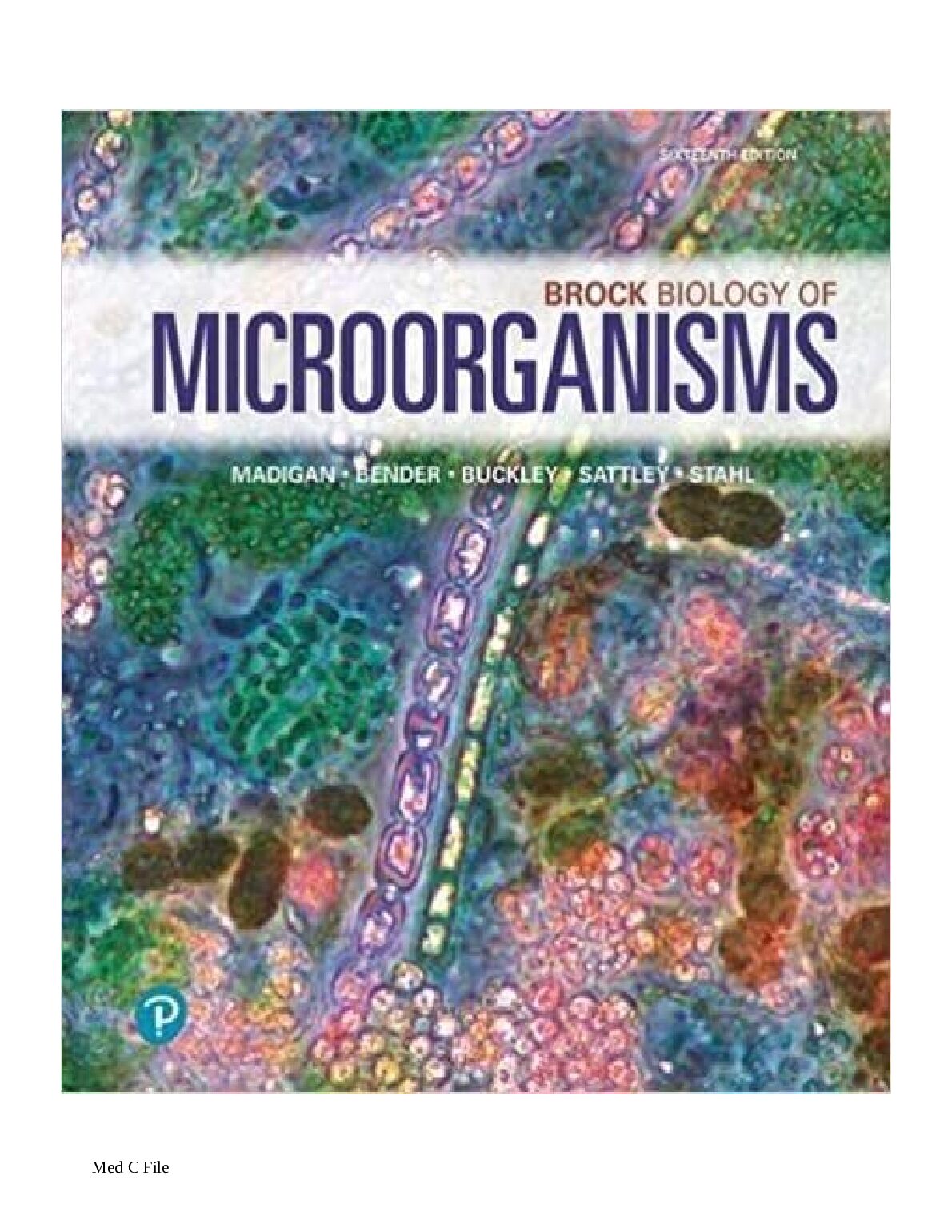
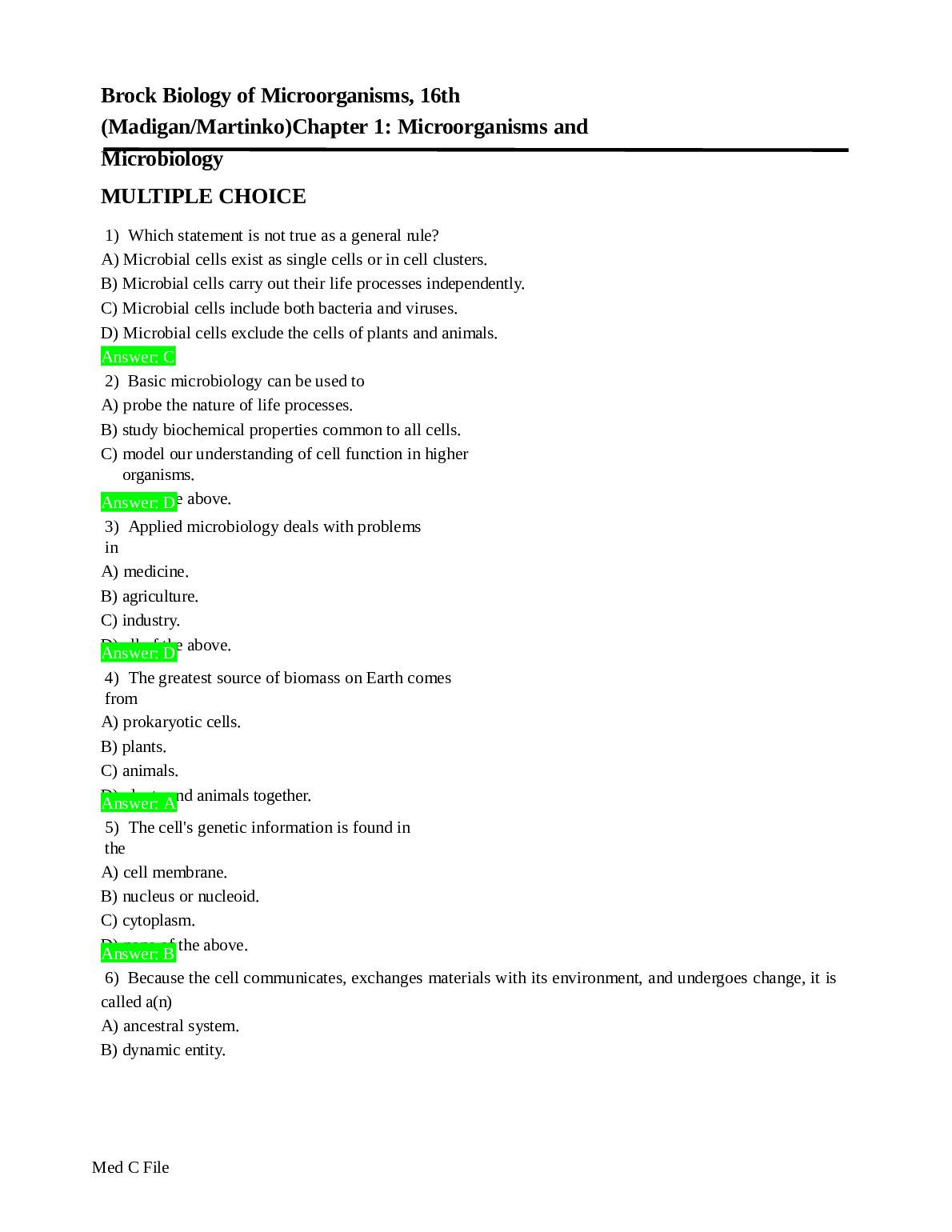
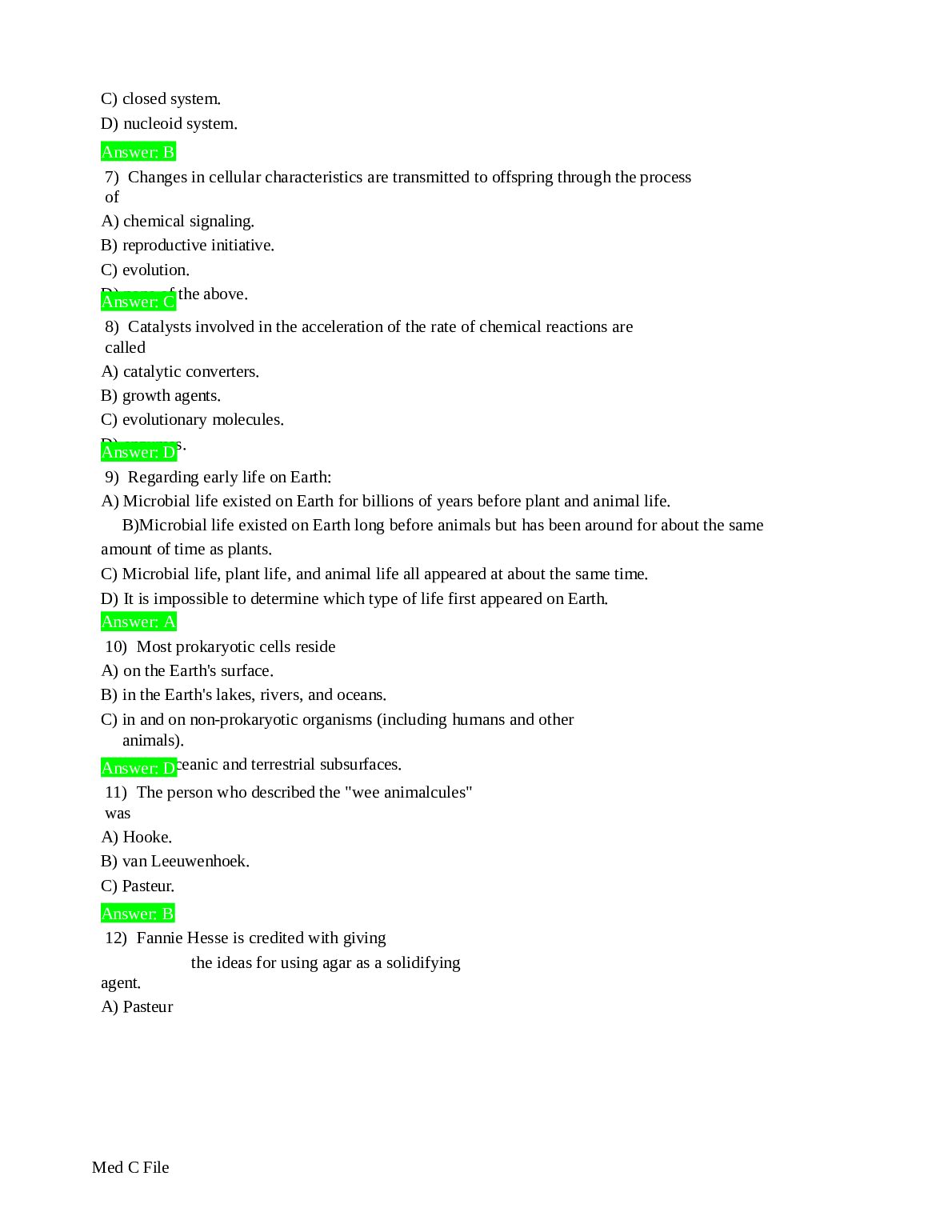
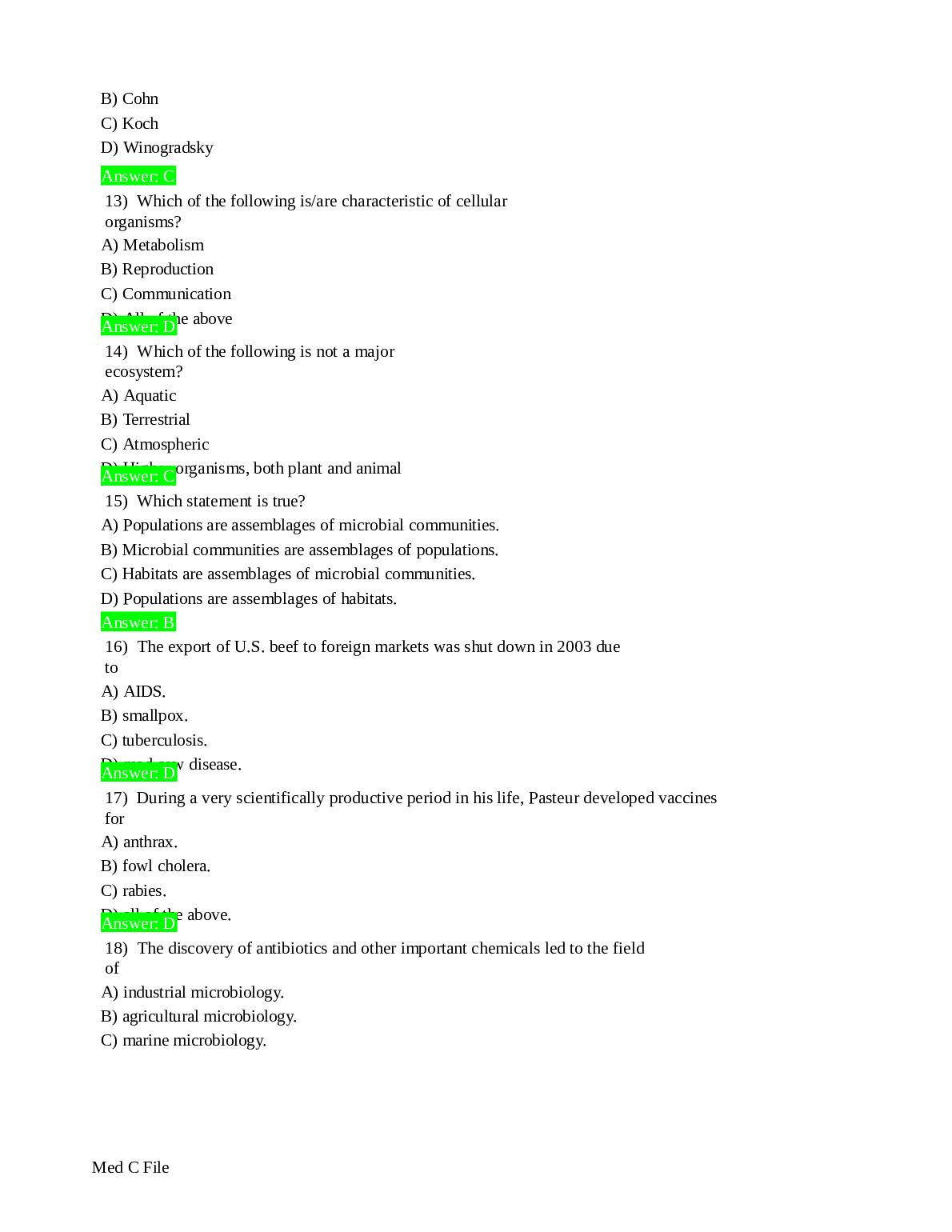
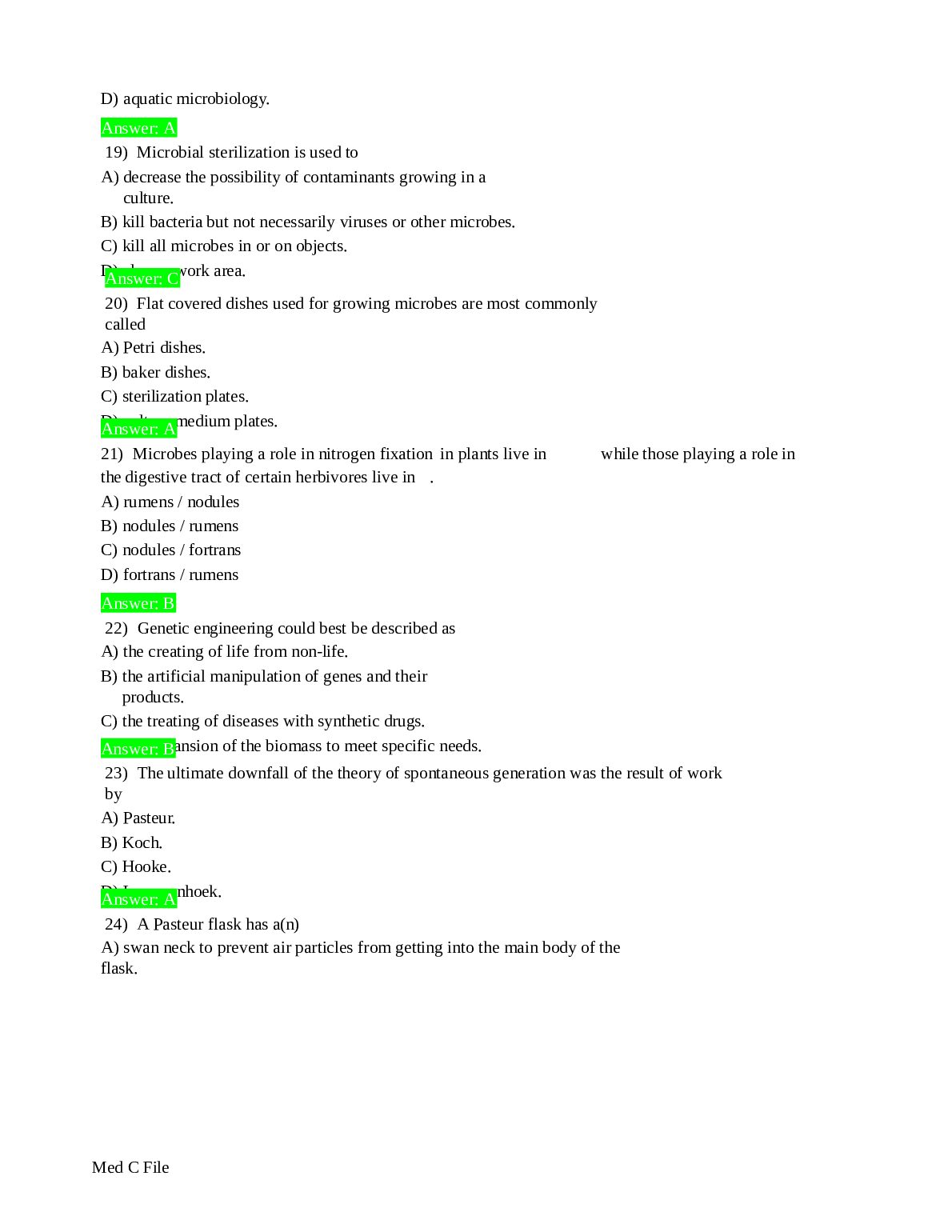
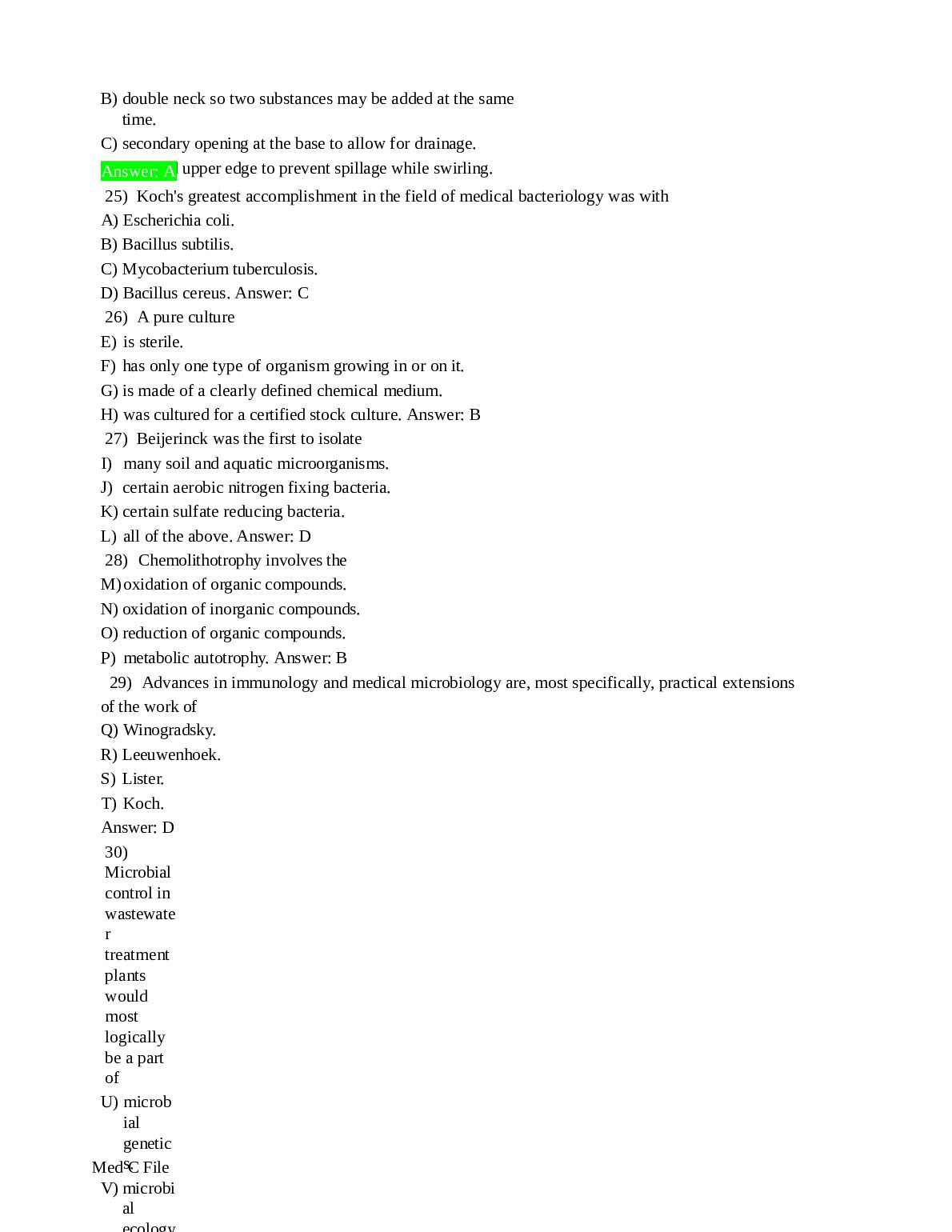
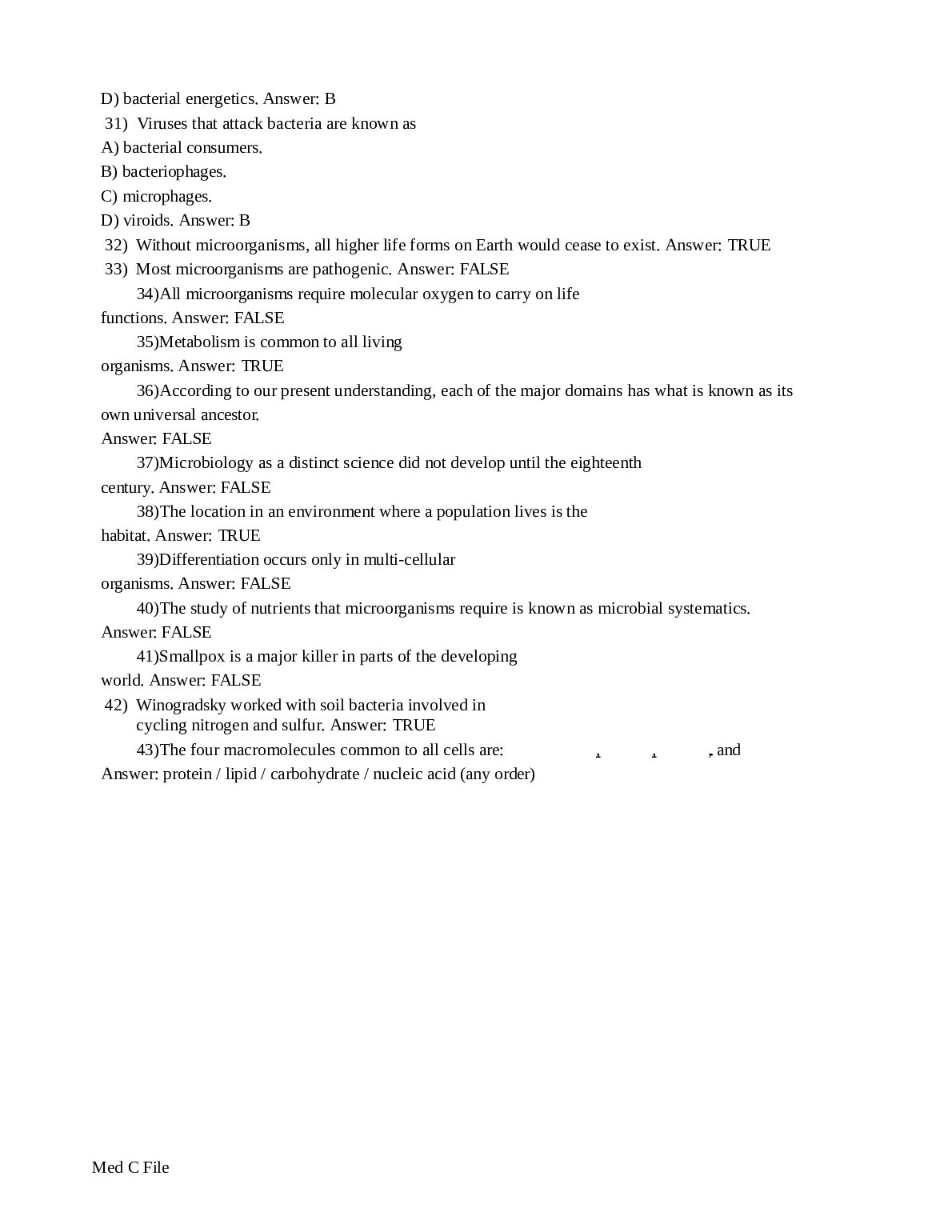
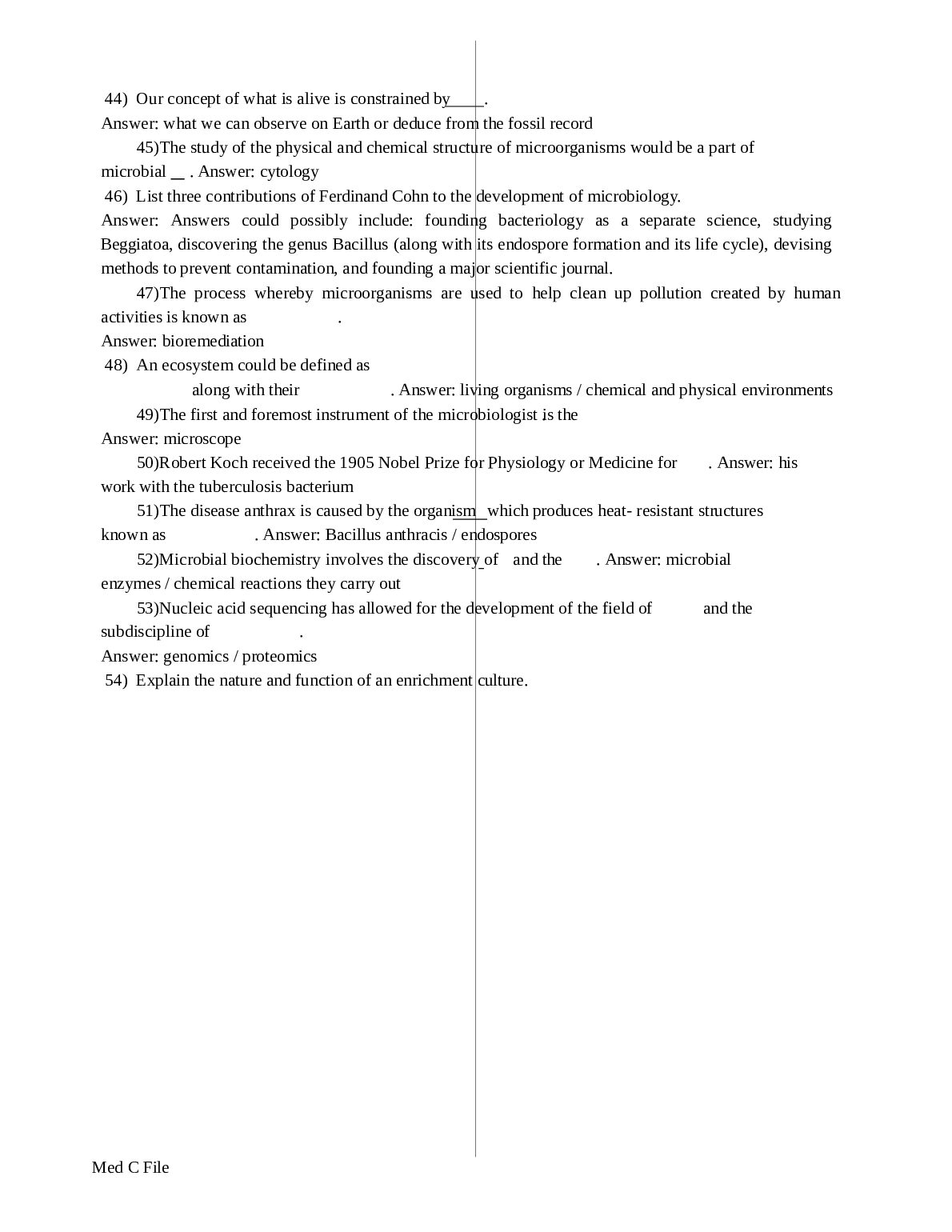
TEST BANK for Brock Biology of Microorganisms, 16th Edition by Michael T. Madigan, Kelly S. Bender, Daniel H. Buckley, W. Matthew Sattley, and David Allan Stahl covers foundational and advanced concepts in microbiology organized into six major themes and seven core units. [1, 2]
Six Major Themes
Evolution: Microbial lineage, adaptation, and genome dynamics. [1, 2]
Cell Stru
...[Show More]
TEST BANK for Brock Biology of Microorganisms, 16th Edition by Michael T. Madigan, Kelly S. Bender, Daniel H. Buckley, W. Matthew Sattley, and David Allan Stahl covers foundational and advanced concepts in microbiology organized into six major themes and seven core units. [1, 2]
Six Major Themes
- Evolution: Microbial lineage, adaptation, and genome dynamics. [1, 2]
- Cell Structure and Function: Anatomy, membranes, organelles, and physical organization of microbes. [1]
- Metabolic Pathways: Energy generation, catabolism, anabolism, and biochemical reactions. [1]
- Information Flow and Genetics: DNA/RNA replication, gene expression, and regulation. [1, 2]
- Microbial Systems: Communities, multi-omics, symbioses, and environmental interactions. [1, 2, 3]
- Impact of Microorganisms: Human health, disease, biotechnology, agriculture, and global biogeochemical cycles. [1, 2]
Organization by Units and Topics
- Unit 1: Foundations of Microbiology
- The microbial world and historical roots
- Cell structure and function in Bacteria, Archaea, and Eukarya
- Microbial metabolism and nutritional types
- Cultivation, growth, and control of microorganisms
- Viruses and viral diversity [1]
- Unit 2: Molecular Biology and Genetics
- Information flow, transcription, and translation
- Regulatory systems and signal transduction
- Molecular aspects of microbial growth
- Genetics of bacteria and archaea (mutations, horizontal gene transfer) [1]
- Unit 3: Genomics, Synthetic Biology, and Evolution
- Microbial genomics, metagenomics, and "omics" technologies
- Viral genomics and evolution
- Biotechnology, genetic engineering, and synthetic biology (including CRISPR)
- Microbial evolution and genome dynamics [1, 2, 3]
- Unit 4: Microbial Diversity
- Metabolic and phylogenetic diversity of Bacteria and Archaea
- Eukaryotic microorganisms (fungi, protists, algae) [1]
- Unit 5: Microbial Ecology and Environmental Microbiology
- Ecosystems, microbial mats, and marine/terrestrial habitats
- Biogeochemical cycles (carbon, nitrogen, sulfur, iron, methane)
- Symbiotic relationships (plant-microbe, animal-microbe like squid light organs)
- Built environments, wastewater treatment, and plastic degradation [1, 2]
- Unit 6: Microbe-Human Interactions and the Immune System
- The human microbiome and normal flora
- Innate and adaptive immunity
- Mechanisms of host-pathogen interactions and microbial pathogenesis [1, 2]
- Unit 7: Infectious Diseases
- Major human bacterial, viral, fungal, and protozoan diseases
- Epidemiology, public health, and antimicrobial/vaccine strategies [1]
You can browse or access the official text through the Pearson Catalog. [1]
[Show Less]